
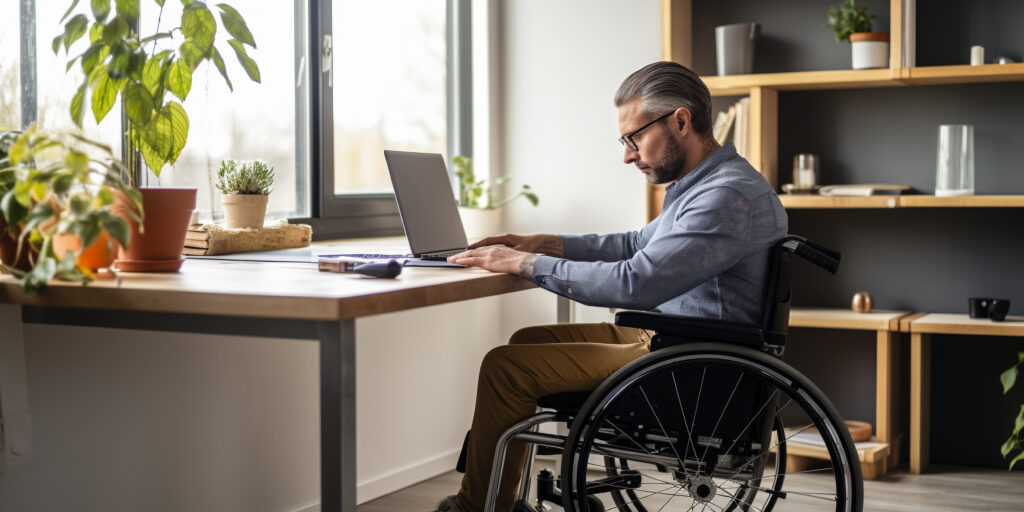
Accessibility is a right, not a privilege, because it ensures that all individuals, regardless of their abilities or disabilities, can fully participate in society. Just as we recognize the right to education, health care, and equality, accessibility is essential for ensuring that people with disabilities have the same opportunities as everyone else. When we design public spaces, technology, transportation, or communication systems with accessibility in mind, we acknowledge the inherent dignity and worth of every person. Accessibility is not just about physical ramps or braille signs—it extends to digital platforms, education, employment, and social inclusion. Without accessible environments, people with disabilities are marginalized, excluded from opportunities, and denied their full rights as citizens.
Moreover, accessibility benefits everyone, not just those with specific needs. For example, curb cuts, initially designed for people using wheelchairs, are also helpful for parents with strollers, travelers with luggage, and the elderly. Similarly, captions on videos can assist those with hearing impairments, but they also serve non-native speakers and people in noisy environments. In this way, accessibility creates a more equitable society, one where barriers are reduced, and opportunities are expanded for all.
When we recognize accessibility as a right, we prioritize inclusivity and ensure that no one is left behind. It’s a step toward breaking down systemic inequities, fostering empathy, and building a society where everyone can thrive, regardless of their circumstances. Accessibility is essential for creating a world that truly works for all people.